
Travel Blog To Chiang Mai 2026: The City That Surprised Me
Chiang Mai, also known as the “Rose of the North”, is situated in northern Thailand. Chiang Mai is Thailand’s second-largest city and is renowned, amongst other things, for its many temples, night markets and delicious street food. I spent almost two weeks in Chiang Mai because I enjoyed the city so much, even though I hadn’t originally planned to visit. This is one of several articles on Chiang Mai and in this blog post, you’ll find out which months are best for visiting Chiang Mai, how to get there, how many days to spend in the city and what I particularly liked about it.
The Best Time to Visit Chiang Mai
Of course, you can visit Chiang Mai all year round, but there are still certain months when it’s particularly worth visiting the city.
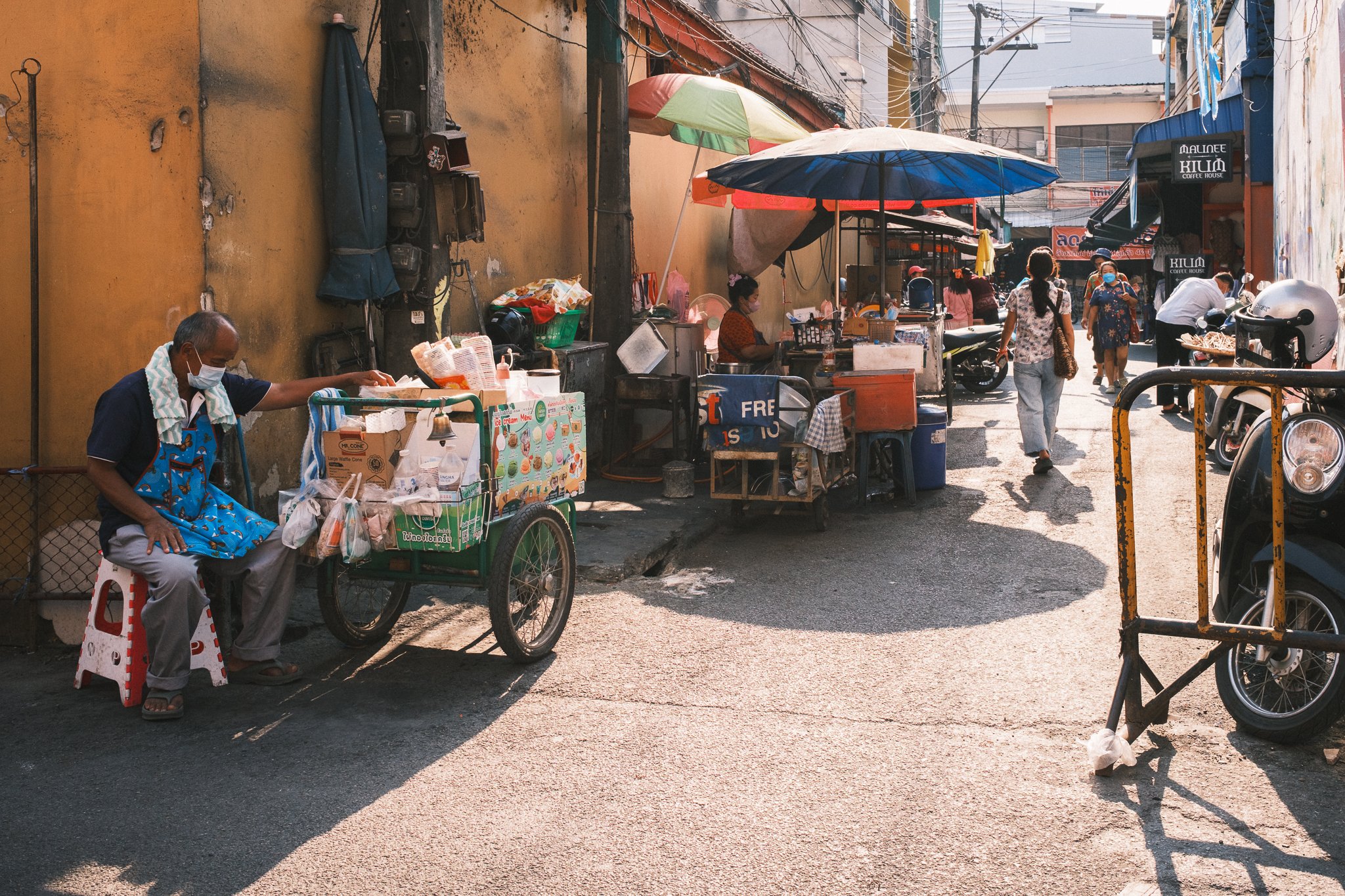
I’d recommend visiting Chiang Mai from November to the end of February. I imagine that temperatures will be relatively pleasant in November, December and January, before rising in February. After that, from March onwards, the temperatures will rise even further and it can certainly get quite hot. I visited Chiang Mai in February and found it to be the perfect. It was hot, mind you, but not so hot that I had to be constantly on the lookout for air conditioning. In fact, I spent most of my time outdoors without any problems.
One topic that keeps cropping up in relation to the best time to visit is the so-called Burning Season. One reason for the Burning Season is that, amongst other things, surplus maize, rice and sugarcane fields are burnt. This, combined with forest fires caused by drought, vehicle emissions and industrial pollution, can severely pollute the air. The Burning Season peaks in March, and things should start to improve again from April onwards. When I travelled to Chiang Mai in February, I didn’t really notice much of the Burning Season. Of course, you can feel the pollution from exhaust fumes and the sky was often a pale colour, but it wasn’t yet at a level where you’d need to wear a mask. So you should be aware not only of the temperatures but also of the pollution. That’s why, as I mentioned earlier, I recommend travelling to Chiang Mai between November and the end of February.
How to Get to Chiang Mai
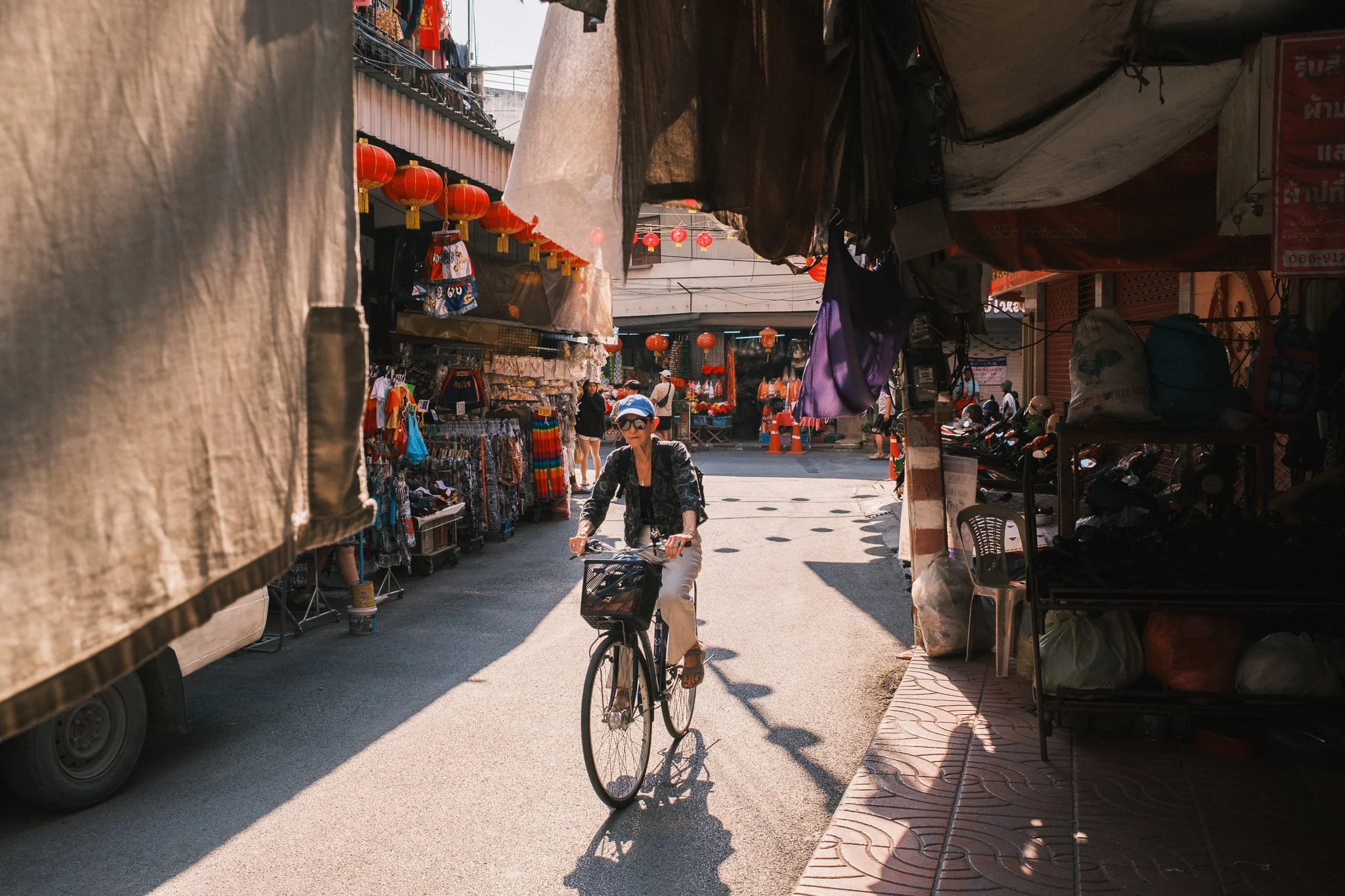
The easiest and most convenient way to get to Chiang Mai is by plane. Many flights from major European cities to Chiang Mai include a stopover in Bangkok, as there are regular flights from Bangkok to Chiang Mai. When I was in Thailand, I spent a few days in Bangkok first and booked a last-minute flight to Chiang Mai with Air Asia. What I found quite relaxing was that Chiang Mai Airport is quite close to the Old Town. It only took me about 15 minutes by Grab to get from the airport to Chiang Mai’s Old Town. You can also book a Grab easily once you arrive at Chiang Mai Airport. So you really don’t need to worry about how to get to Chiang Mai, as it’s actually quite easy.
Of course, you can also take an overnight train from Bangkok to Chiang Mai. I’d recommend the train if you fancy a bit of an adventure on the journey or if you’d like to take the train for the sake of the environment. I didn’t take the train myself, so I won’t go into any more detail about it.
How Many Days To Spend In Chiang Mai
How many days you should spend in Chiang Mai depends very much on what you want to see and how you want to get to know the city as a whole. I’m assuming you’re travelling around Thailand and would like to explore other parts of the country as well. If that’s the case, I’d recommend spending 4–5 days in Chiang Mai. That will give you plenty of time to explore Chiang Mai’s Old Town in particular, whilst also allowing you to take a trip into the countryside outside the city.
What I Liked About Chiang Mai
In Chiang Mai, I was overcome by a feeling that I find very difficult to describe. When I handed in my notice in December 2025 and stayed in Chiang Mai in February 2026, everything felt so light and liberating to me. Somehow my mind felt so free, and I didn’t have to worry about a thing. I could just be fully present in the moment. I can’t say much more than that, as it would probably be far too complicated to put into words. So I’ll move on to simpler explanations of why I enjoyed Chiang Mai so much.
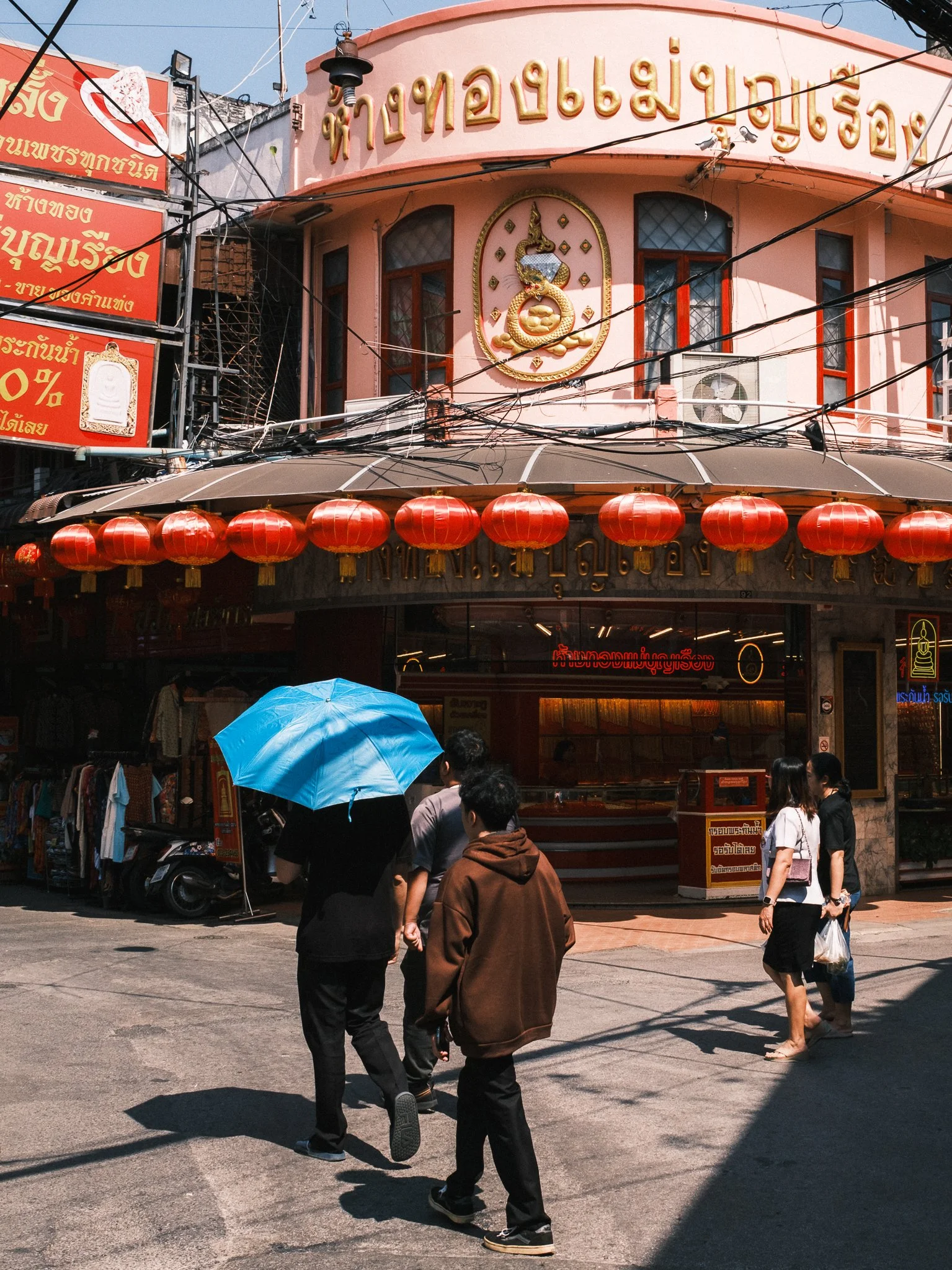
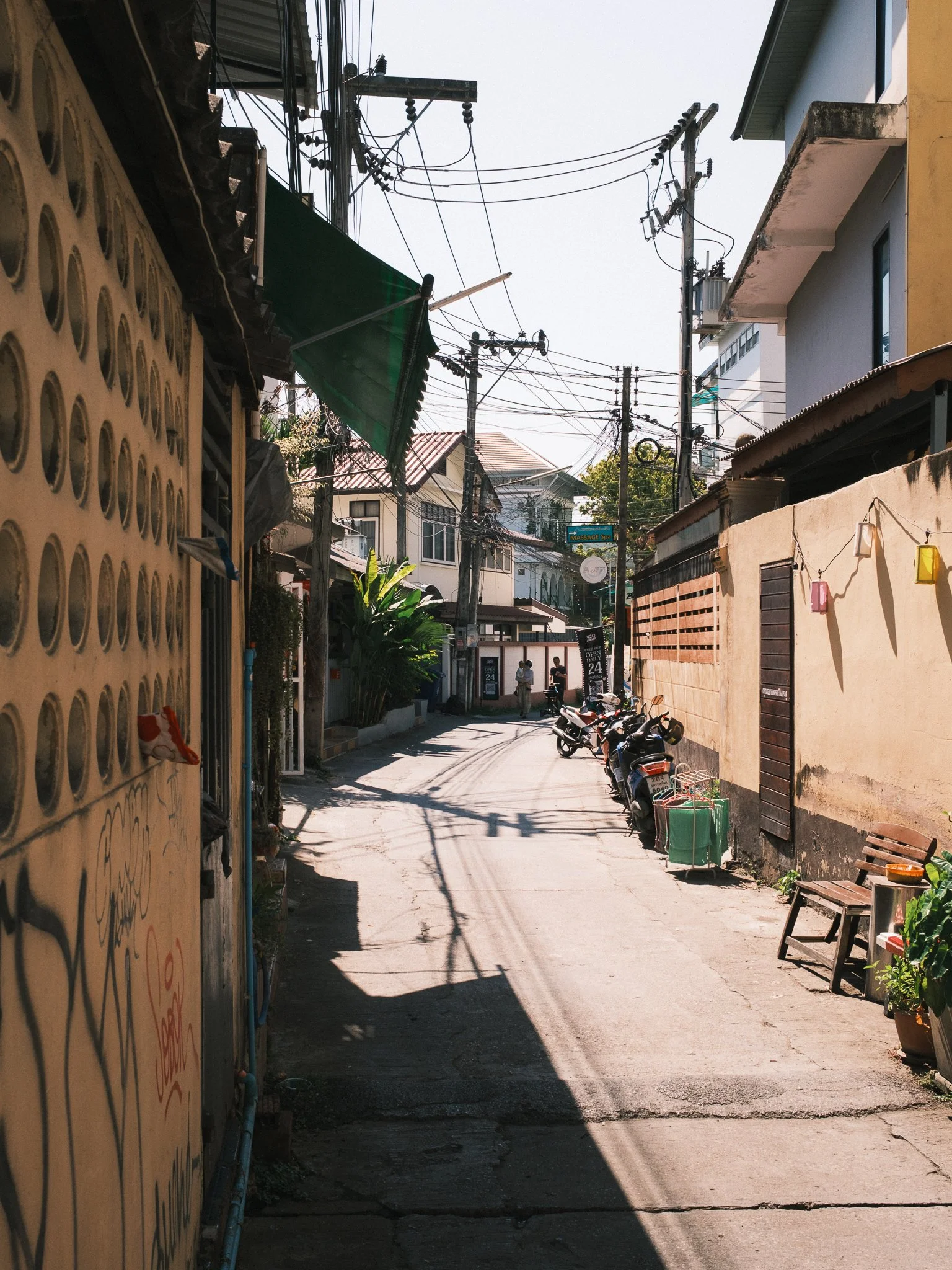
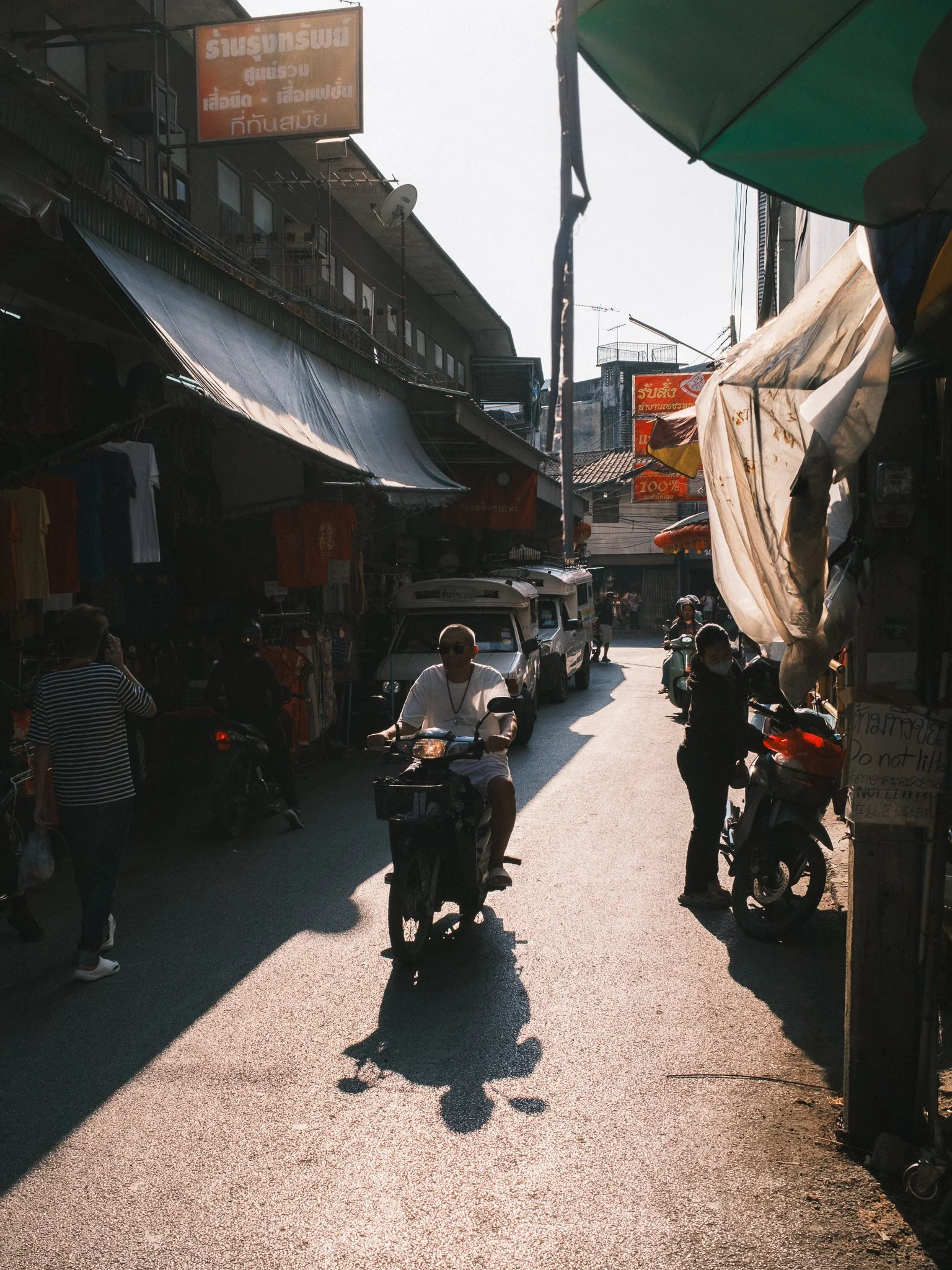
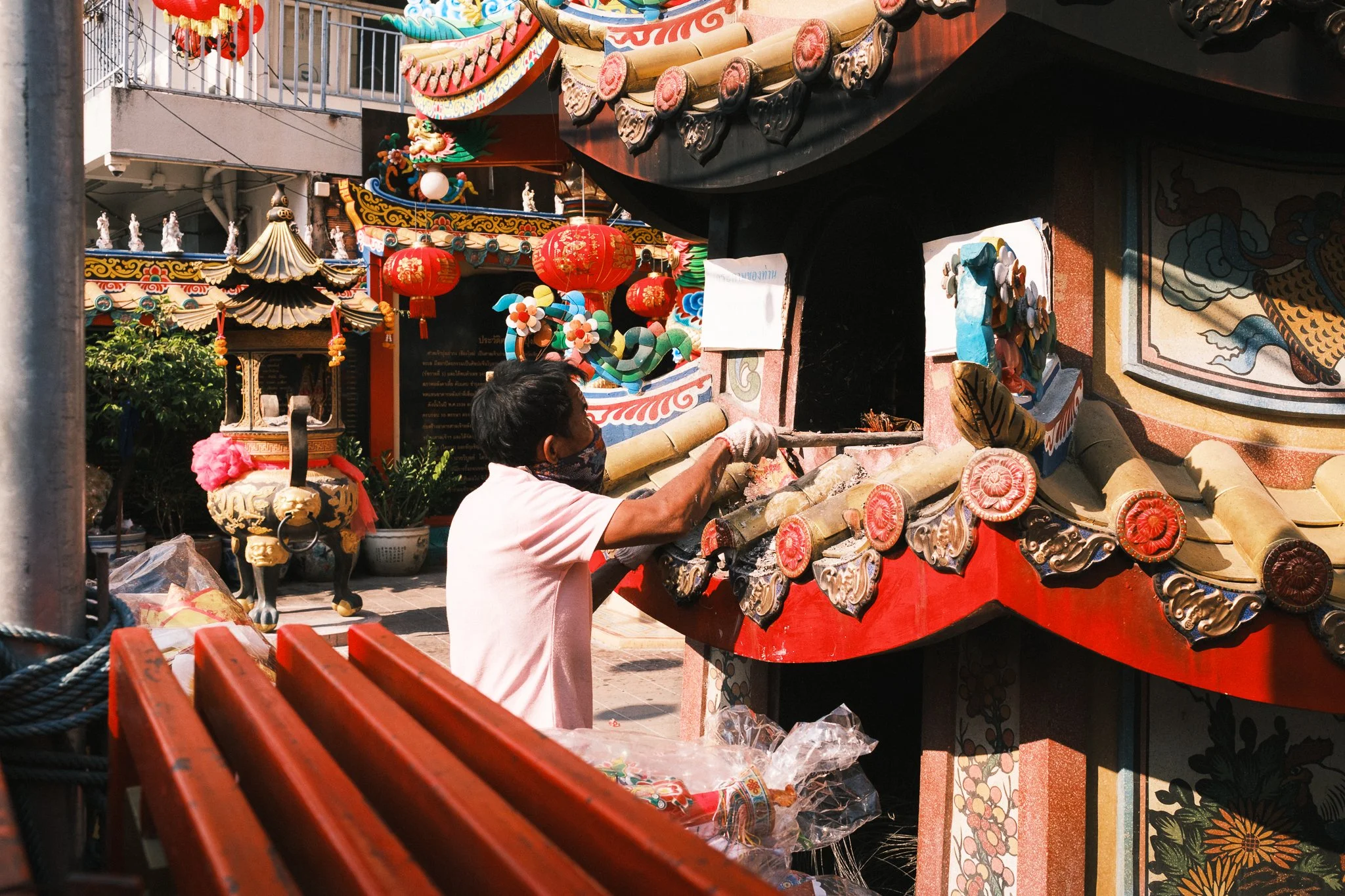
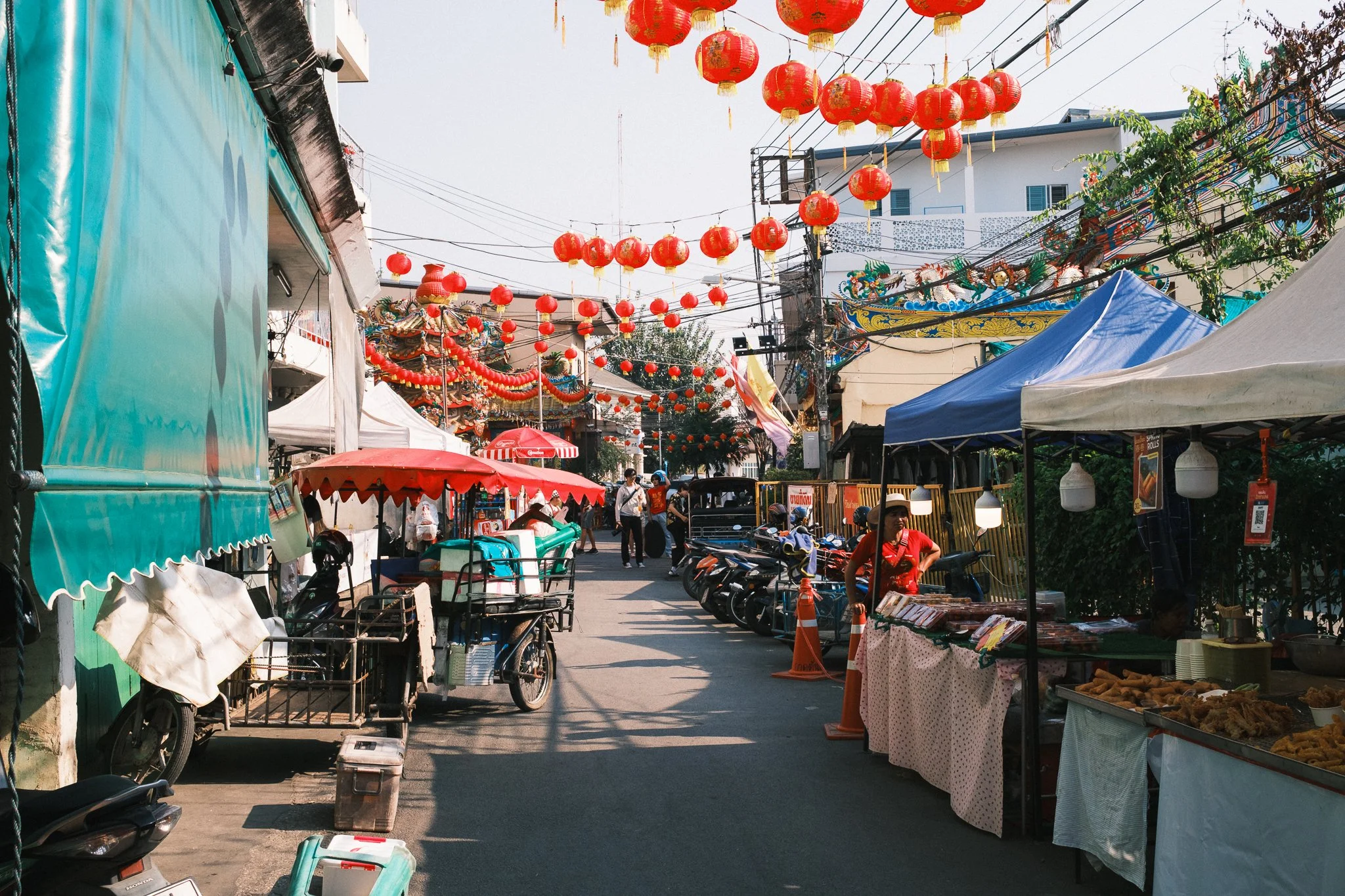
One thing I liked about Chiang Mai was that you can explore the Old Town, in particular, quite easily on foot. I rarely needed any form of transport in Chiang Mai to get from A to B. Occasionally I booked a Grab Bike, but only when I really had to cover longer distances. Especially when I left the Old Town. There’s so much to discover in the Old Town. You can wander through the many narrow alleys and keep coming across something lovely and interesting. My favourite thing was wandering aimlessly through the alleys of the Old Town and Chinatown with my camera.
You’ll also find plenty of places where you can enjoy a nice meal and a drink quite easily. Most of the time, I didn’t look up restaurants in advance, as I knew I was bound to walk past somewhere where I could enjoy a good meal and a drink. I had much more trouble finding food in Bangkok, for example. Most of the time, I ate at one of the many street food stalls, which always tasted fantastic and was also quite affordable. When it comes to food, you’ll definitely be spoilt for choice in Chiang Mai. More information on restaurants and street food will follow in another blog post.
As I’m also a coffee lover, it was always important to me to find good coffee spots. If you’re a coffee lover too, you’ll have no trouble finding a good cup of coffee in Chiang Mai. Coffee shops are very popular in Chiang Mai, which is why you’ll find lovely, cosy cafés on what feels like almost every corner. You’ll usually come across "Influencers in the wild” posing for photos outside the cafés – I always found that quite amusing. I’ll also be covering the topic of coffee in Chiang Mai in another blog post.
Aside from food and drink, Chiang Mai also offers a wide range of leisure activities. The choice is so vast that there’s certainly something for every traveller. For example, there are plenty of Muay Thai gyms where you can train, as well as tours where you can explore the region around Chiang Mai. Take it from me: Chiang Mai is far more than just the Old Town.
As well as the sporting activities and all the adventures in the region around Chiang Mai, there are also several lovely markets to discover. Particularly worth mentioning are the Saturday Market and the Sunday Market. As the names suggest, these markets take place on Saturdays and Sundays. As well as these two large markets, there are also many other smaller ones. As this would go beyond the scope of this post, I’ll go into more detail about the markets in Chiang Mai in another blog post.
Finally, I wouldn’t want to leave out the local people of Chiang Mai. I found the locals to be mostly friendly and always wearing a smile. What I particularly appreciated was that I was always greeted warmly as soon as I entered a venue. On the whole, I’d say that tourists are appreciated in Chiang Mai, provided they don’t start behaving badly, as certain tourists do in other regions of Thailand. Fortunately, however, Chiang Mai doesn’t primarily attract that sort of tourist.
My Take on Chiang Mai
As you can see, Chiang Mai has a lot to offer, and you shouldn’t limit your trip to Thailand to just Bangkok and the islands. I’m sure you’ll notice huge differences and come to appreciate Chiang Mai. In any case, I felt very much at home in Chiang Mai and can highly recommend a trip there.
Do you like the information I provide for free? A coffee is always appreciated. Thanks for being here.